中秋节的传说400字
关于中秋节的传说有很多,如下是应届毕业生网小编为大家整理的中秋节的传说400字,欢迎阅读!
中秋节的传说400字(中文)
中秋节是我国的传统佳节,与春节、端午、清明并称为中国汉族的四大传统节日。据史籍记载,古代帝王有春天祭日、秋天祭月的礼制节期为农历即阴历八月十五,时日恰逢三秋之半,故名“中秋节”;又因这个节日在秋季、八月,故又称“秋节”、“八月节”“八月会”;又有祈求团圆的信仰和相关节俗活动,故亦称“团圆节”、“女儿节”。因中秋节的主要活动都是围绕“月”进行的,所以又俗称“月节”“月夕”“追月节”“玩月节”“拜月节”;在唐朝,中秋节还被称为“端正月”。关于中秋节的起源,大致有三种:起源于古代对月的崇拜、月下歌舞觅偶的习俗、是古代秋报拜土地神的遗俗。
据说此夜月球距地球最近,月亮最大最亮,所以从古至今都有饮宴赏月的习俗;回娘家的媳妇是 日必返夫家,以寓圆满、吉庆之意。也有些地方将中秋节定在八月十六,如宁波、台州、舟山,这与方国珍占据温、台、明三州时,为防范元朝官兵和朱元田的袭击而改“正 月十四为元宵、八月十六为中秋”有关。此外在香港,过了中秋兴犹未尽,还要在十六夜再狂欢一次,名为“追月”。
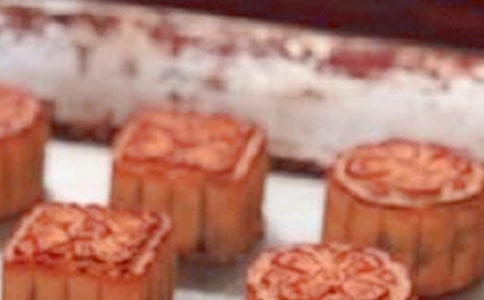
至于中秋节食月饼这一习俗的形成则是在明代。明代文学家田汝成在《西湖游览志余》中写道:“八 月十五谓之中秋,民间以月饼相遗,取团圆之意”。明代史学家沈榜在《宛署杂记》中描述北京中秋月饼盛况时写道“造面饼相遗,大小不等。饼 中以果为馅,巧名异状,有一饼值数百钱者。”书中还介绍了当时的制作工艺,已经达到了很高的水平。北京皇宫中供月使用的月饼“从下至上直 径尺余,重有两斤。”后来随着历代的演变,月饼的品种及花样越来越丰富,制作工艺更新,风味更多,八月十五吃月饼已经成为中华民族的一种 古老而又非常有意义的传统。
在唐代,中秋赏月、玩月颇为盛行。在北宋,八月十五夜,满城人家,不论贫富老小,都要穿上 成人的衣服,焚香拜月说出心愿,祈求月亮神的保佑。南宋,民间以月饼相赠,取团圆之意。有些地方还有舞草龙、砌宝塔等活动。明清以来,中 秋节的风俗更加盛行,许多地方形成了烧斗香、树中秋、点塔灯、放天灯、走月亮、舞火龙等特殊风俗。
中秋节的传说400字(英文)
The moon definitely spins countless legends throughout the ages. Of course, the most famous legend is the one surrounding the “lady living in the moon” that dates back to ancient times, to a day when ten suns appeared at once in the sky. The Emperor ordered a famous archer to shoot down the nine extra suns. Once the task was accomplished, Goddess of Western Heaven rewarded the archer with a pill that would make him immortal. However, his wife found the pill, took it, and was banished to the moon as a result. Legend says that her beauty is greatest on the day of the festival.
Another legend depicts a possible role that the festival played in Chinese history. Overrun by the Mongols in the thirteenth century, the Chinese threw off their oppressors in 1368 AD. It is said that mooncakes - which the Mongols did not eat - were the perfect vehicle for hiding and passing along plans for the rebellion. Families were instructed not to eat the mooncakes until the day of the festival, which is when the rebellion took place.
The most lunatic mortal in Chinese history could have been the great poet Li Bai (701-762 AD), who once invited the moon to have a drink with him and his shadow to form a band of three. Li finally drowned in a lake in an effort to catch the moon when he was drunk one night.
The festive night can be one of the most charming and picturesque nights and the full moon is an auspicious symbol of abundance, harmony and luck. For thousands of years, the Chinese people have related the vicissitudes of life to changes of the moon as it waxes and wanes; joy and sorrow, parting and reunion. In Chinese culture, the family represents an important circle of relations that cannot be broken. Because the full moon is round and symbolizes reunion, the festival is also known as the festival of reunion. All family members try to get together on this special day. It is a happy occasion where people feast on scrumptious mooncakes. Some Chinese families today still stay up late to observe the occasion eating mooncakes, sipping tea and gazing at the beautiful moon. It is regarded the perfect moment if someone catches the moon‘s reflection in the center of his or her teacup. Those who can not return home watch the bright moonlight and feel deep longing for their loved ones.
【中秋节的传说】相关文章:
中秋节传说07-05
中秋节的来源与传说07-02
关于中秋节的传说08-10
中秋节的起源与传说08-28
中秋节来历与传说09-01
中秋节的来由及传说09-06
中秋节的浪漫传说09-17
中秋节月饼的传说07-03
中秋节由来及传说07-06
中秋节的传说与习俗09-14