万圣节英文介绍文字版
关于万圣节大家知道多少呢?下面小编给大家准备了万圣节的英文介绍,以及万圣节的一个小故事,一起来看看吧!
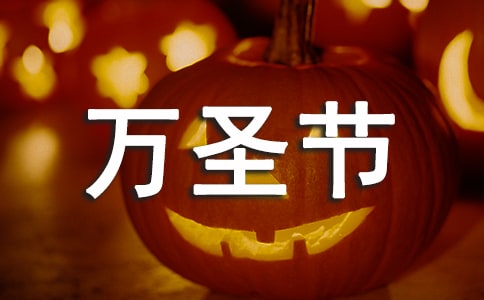
万圣节英文介绍
Children in costumes race from house to house asking for treats. A carved pumpkin, called a jack-o’-lantern, grins from a porch as the children pass. According to legend, jack-o’-lanterns protect people in their homes from ghostly spirits.
It’s all part of the fun on Halloween! The roots of Halloween stretch back thousands of years and borrow customs from several parts of the world.
WHAT IS HALLOWEEN?
Halloween is a holiday celebrated on October 31. By tradition, Halloween begins after sunset. Long ago, people believed that witches gathered together and ghosts roamed the world on Halloween. Today, most people no longer believe in ghosts and witches. But these supernatural beings are still a part of Halloween.
The colors black and orange are also a part of Halloween. Black is a symbol for night and orange is the color of pumpkins. A jack-o’-lantern is a hollowed-out pumpkin with a face carved on one side. Candles are usually placed inside, giving the face a spooky glow.
DRESSING IN COSTUMES
Dressing in masks and costumes is a popular Halloween activity. Costumes can be traditional and scary, such as a witch’s pointy hat and black gown. Costumes may also have a modern flavor. Many children dress up as movie characters or a favorite superhero.
But Halloween is not just for children. Many adults enjoy showing off their costumes at Halloween parties!
TRICK-OR-TREATING
Once in costume, children go from house to house saying “Trick or treat!” In the past, children might play a “trick” on people who did not give treats. They might pelt houses with eggs or old tomatoes, or play other pranks. Today, children’s cries of “Trick or treat!” are usually rewarded with candy.
HOW HALLOWEEN GOT STARTED
One of the oldest Halloween traditions comes from the ancient Celts, who lived in western and central Europe long ago. The Celts celebrated a holiday
y called Samhain on October 31. After sunset that day, people believed that spirits of the dead would rise and walk the earth. The Celts made offerings of food and drink to keep the spirits away.
Beginning about 2,000 years ago, the Roman Empire conquered many Celtic peoples. But Celtic traditions, including Samhain, remained strong in areas such as Ireland and Scotland, even after the Roman conquest.
The Roman Catholic Church tried to replace Samhain in 835 with All Saints’ Day, a day to honor saints of the Church. The eve of All Saints’ Day is October 31. It is called Allhallows or Hallowmas by the Church.
HOW DID HALLOWEEN COME TO AMERICA?
Halloween first came to America with early settlers from Celtic areas in Europe, such as Ireland and Scotland. But other American settlers with strict religious beliefs, including the Puritans from England, rejected Halloween. The arrival of many Irish immigrants during the 1800s helped spread Halloween’s popularity.
But by the late 1800s, fewer people believed in ancient superstitions of ghosts and witches. Halloween became more a holiday for children to receive treats and dress in costume.
万圣节英文故事
HALLOWEEN
One story about Jack, an Irishman, who was not allowed into Heaven because he was stingy with his money. So he was sent to hell. But down there he played tricks on the Devil (Satan), so he was kicked out of Hell and made to walk the earth forever carrying a lantern.
Well, Irish children made Jack‘s lanterns on October 31stfroma large potato or turnip, hollowed out with the sides having holes and lit by little candles inside. And Irish children would carry them as they wentfromhouse to house begging for food for the village Halloween festival that honored the Druid god Muck Olla. The Irish namefor these lanterns was Jack with the lantern or Jack of the lantern, abbreviated asJack-o‘-lantern and now spelled jack-o-lantern.
The traditional Halloween you can read about in most books was just children‘s fun night. Halloween celebrations would start in October in every elementary school.
Children would make Halloween decorations, all kinds of orange-paper jack-o-lanterns. Andfromblack paper you‘d cut scary designs ---an evil witch with a pointed hat riding through the sky on a broomstick, maybe with black bats flying across the moon, and that meant bad luck. And of course black cats for more bad luck. Sometimes a black cat would ride away into the sky on the back of the witch‘s broom.
And on Halloween night we‘d dress up in Mom or Dad‘s old shoes and clothes, put on a mask, and be ready to go outside. The little kids (children younger than we were) had to go with their mothers, but we older ones went together to neighbors‘ houses, ringing their doorbell and yelling, Trick or treat! meaning, Give us a treat (something to eat) or we‘ll play a trick on you! The people inside were supposedto come to the doorand comment on our costumes.
Oh! here‘s a ghost. Oh, there‘s a witch. Oh, here‘s an old lady.
Sometimes they would play along with us and pretendto be scared by some ghost or witch. But they would always have some candy and maybe an apple to put in our trick or treat bags. But what if noone come to the door, or if someone chased us away? Then we‘d play a trick on them, usually taking a piece of soap and make marks on their windows. .And afterwards we would go home and count who got the most candy. One popular teen-agers‘ Halloween trick was to unroll a roll of toilet paper and throw it high into a tree again and again until the tree was all wrapped in the white paper. The paper would often stay in the tree for weeks until a heavy snow or rain washed it off. No real harm done, but it made a big mess of both the tree and the yard under it. One kind of Halloween mischief.
万圣节
关于万圣节有这样一个故事。是说有一个叫杰克的爱尔兰人,因为他对钱特别吝啬,就不允许他进入天堂,而被打入地狱。但是在那里他老是捉弄魔鬼撒旦,所以被踢出地狱,罚他提着灯笼永远在人世里行走。
在十月三十一日爱尔兰的孩子们用土豆和罗卜制作“杰克的灯笼”,他们把中间挖掉、表面上打洞并在里边点上蜡烛。为村里庆祝督伊德神的万圣节,孩子们提着这种灯笼挨家挨户乞讨食物。这种灯笼的爱尔兰名字是“拿灯笼的杰克”或者“杰克的灯笼”,缩写为Jack-o‘-lantern 现在拼写为jack-o-lantern。
现在你在大多数书里读到的万圣节只是孩子们开心的夜晚。在小学校里,万圣节是每年十月份开始庆祝的。
孩子们会制作万圣节的装饰品:各种各样桔黄色的南瓜灯。你可以用黑色的纸做一个可怕的造形——一个骑在扫帚把上戴着尖尖帽子的女巫飞过天空,或者是黑蝙蝠飞过月亮。这些都代表恶运。当然黑猫代表运气更差。有时候会出现黑猫骑在女巫扫帚后面飞向天空的造形。
在万圣节的晚上,我们都穿着爸爸妈妈的旧衣服和旧鞋子,戴上面具,打算外出。比我们小的孩子必须和他们的母亲一块出去,我们大一点的就一起哄到邻居家,按他们的门铃并大声喊道:“恶作剧还是招待!”意思是给我们吃的,要不我们就捉弄你。里边的人们应该出来评价我们的化装。
“噢!这是鬼,那是女巫,这是个老太婆。”
有时候他们会跟我们一起玩,假装被鬼或者女巫吓着了。但是他们通常会带一些糖果或者苹果放进我们的“恶作剧还是招待”的口袋里。可是要是没人回答门铃或者是有人把我们赶开该怎么办呢?我们就捉弄他们,通常是拿一块肥皂把他们的玻璃涂得乱七八糟。然后我们回家,数数谁的糖果最多。
还有一个典型的万圣节花招是把一卷手纸拉开,不停地往树上扔,直到树全被白纸裹起来。除非下大雪或大雨把纸冲掉,纸会一直呆在树上。这并不造成真正的伤害,只是把树和院子搞乱,一种万圣节的恶作剧。
南瓜灯由来
Jack-o-lanterns carved from pumpkins are a yearly Halloween tradition. Their origin comes from an Irish myth about Stingy Jack, who tricked the Devil for his own monetary gain. When Jack died, God didnt allow him into heaven, and the Devil didnt let him into hell, so Jack was sentenced toroam the earth for eternity.
用南瓜雕刻南瓜灯(杰克灯)是每年万圣节的传统。南瓜灯来自爱尔兰的一个关于吝啬鬼杰克的神话故事。杰克为了谋财欺骗了魔鬼,他死后,上帝不让他进入天堂,魔鬼也不让他进入地狱,所以杰克被判在人间永远游荡。
But the Devil took some pity on Jack, giving him some coal to light his turnip lantern as he wandered between both places.
但魔鬼有些可怜杰克,在杰克游荡于天堂与地狱之间时,给了他一堆炭火来点亮他的萝卜灯笼。
In Ireland, people started to carve demonic faces out of turnips to frighten away Jacks wandering soul. When Irish immigrants moved to the US, they began carving jack-o-lanterns from pumpkins, as these were native to the region.
在爱尔兰,人们开始用萝卜雕刻出恶魔的脸来吓走杰克流浪的灵魂。当爱尔兰移民搬到美国后,他们开始用南瓜雕刻杰克灯,因为南瓜是当地的特产。
世界各地的万圣节庆祝活动
All Saints Day around the world
The customs of All Saints Day vary around the world. In the United States, people usually put up jack-o-lanterns and dress in costumes with themes of death commonly associated on Halloween.
世界各地的万圣节习俗各不相同。在美国,在万圣节前夕,人们通常会挂起南瓜灯,并穿着与死亡主题相关的服装,以此来庆祝万圣节。
Children go door-to-door in costume, trick-or-treating, which is soliciting candy from their neighbors. The holiday has lost much of its connection to its religious origins.
孩子们穿着装扮服饰挨家挨户地去玩“不给糖就捣蛋”的游戏,也就是向他们的邻居讨糖果。这个节日已经与它的宗教起源失去了很大的联系。
Although nearly everyone celebrates Halloween for the fun of the holiday, the following religious solemnities, are not widely practiced or acknowledged by most Americans unless they are Catholic.
虽然几乎每个人都庆祝万圣节前夕以获得节日的快乐,但接下来的宗教仪式却并不为大多数美国人所广泛遵循或承认,除非他们是天主教徒。
Although not a public holiday in the US, All Saints Day is observed publicly in many countries. In France and Germany, people have the work day off and businesses are closed.
虽然万圣节在美国不是法定节日,但在许多国家却都是公开庆祝的。在法国和德国,人们会放假,商店会关门。
In France church services in memory of all the saints are held on November 1st but by the evening the focus turns towards the dead. Cemeteries everywhere are crowded with people who come to clean and decorate family graves.
在法国,纪念所有的圣徒的教堂仪式在11月1日举行,但到了晚上,人们的重心就转向了死者。墓地挤满了来清理和装饰家族坟墓的人。
In Mexico, people sell candies and toys that symbolize death such as coffins and skeletons. Typically lively rather than solemn, the holidays festivities also includes carnivals, dances, and parades.
在墨西哥,人们出售象征死亡的糖果和玩具,如棺材和骷髅。节日的庆祝活动还包括嘉年华、舞蹈和游行,热闹却并不庄严。
Across much of Europe, the day is commemorated with offerings of flowers left on the graves of the dead. In Eastern Europe, candles are lit on graves instead of offerings of flowers.
在欧洲大部分地区,人们会在死者的坟墓上献上鲜花来纪念这一天。在东欧,人们在坟墓上点燃蜡烛,而不是献上鲜花。
In countries like the Philippines, where All Saints Day is known as "Undas", the day isnt just for remembering the saints, but for honoring and paying respects to departed loved ones, usually with prayers, flowers, and good offerings.
在像菲律宾这样的国家,万圣节被称为Undas,这一天不仅仅是为了纪念圣徒,也是为了向逝去的亲人们表达敬意,通常伴有祷告、鲜花和上好的祭品。
As you can see, different cultures have different customs associated with the holiday.
如你所见,关于这个节日,不同的文化有着不同的习俗。
【万圣节英文介绍文字版】相关文章:
万圣节的英文介绍08-21
万圣节来历英文介绍08-02
万圣节习俗英文介绍09-24
万圣节南瓜英文介绍11-01
万圣节的习俗英文介绍08-04
万圣节来源英文介绍08-16
万圣节风俗英文介绍09-26
万圣节的介绍英文ppt08-24
万圣节之夜介绍英文07-16